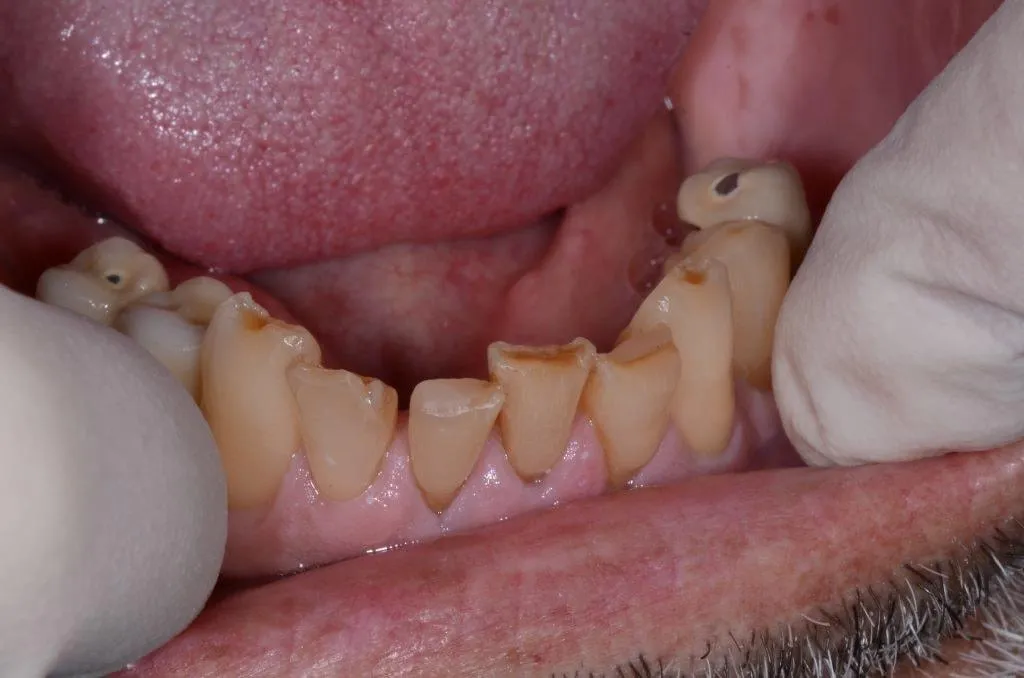
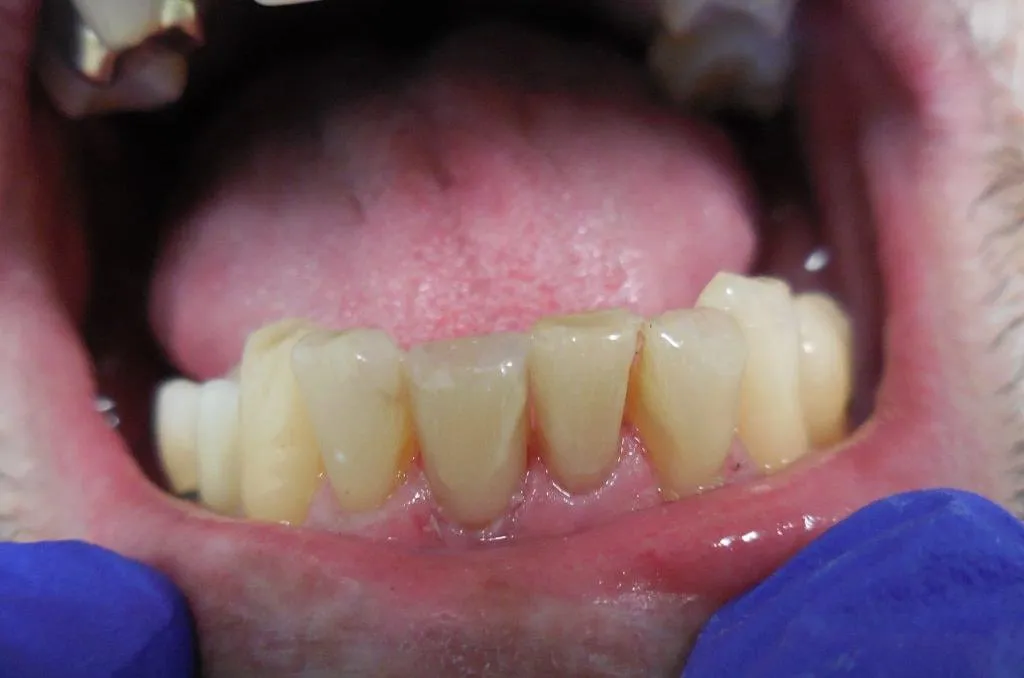
Dental bonding uses tooth-colored resin to repair minor chips, cracks, gaps, discoloration, or uneven edges. It is a simple cosmetic option that can improve the look of your smile while preserving a natural appearance.
At My Plantation Dentist, Dr. Heidi Finkelstein uses bonding to create subtle improvements that blend with your surrounding teeth.
Repair Small Smile Concerns With Natural-Looking Bonding
Who Needs It?
Bonding may be a good option for patients with small cosmetic concerns, such as a chipped tooth, minor gap, or uneven edge. It can often be completed more quickly than other cosmetic treatments.
Because bonding is not always as durable as porcelain restorations, Dr. Heidi will help you decide whether bonding, veneers, or another treatment best fits your goals.
What Can Dental Bonding Improve?
Dental bonding can help correct small imperfections in your smile.
Repair minor chips or cracks
Close small gaps between teeth
Improve the shape of a tooth
Cover minor discoloration
Smooth uneven edges
Blend with your natural tooth color
Offer a conservative cosmetic option
Refresh your smile with minimal treatment
What’s the Difference Between Bonding and Veneers?
Bonding uses tooth-colored resin that is applied directly to the tooth and shaped by the dentist. Veneers are custom-made porcelain shells that cover the front surface of the teeth.
Bonding may be a good choice for smaller or more temporary improvements, while veneers may be better for patients looking for a longer-lasting or more comprehensive cosmetic change. Dr. Heidi can help you compare both options.
More Services
Partials & Dentures
Dental Implants
Crowns & Bridges
Composite Restorations
Teeth Whitening
Porcelain Veneers
Business Hours
Monday to Wednesday
8AM to 5PM
Thursday
7AM to 2PM
Friday to Sunday
CLOSED
Common Bonding Questions
Everything you need to know about Bonding, from how it works to what you can expect.
What can dental bonding fix?
Bonding can help repair small chips, cracks, gaps, discoloration, or uneven tooth edges. It is often used for minor cosmetic improvements.
How long does bonding last?
Bonding can last for several years with good care, but it may stain or wear over time. Dr. Heidi will explain how to protect your results.
Does bonding hurt?
Bonding is usually a comfortable treatment. In many cases, little to no enamel removal is needed, and anesthesia may not be necessary unless bonding is being used to treat decay.
Can bonding be removed?
In many cases, bonding can be repaired, adjusted, or replaced. Dr. Heidi will explain what is possible based on your tooth and treatment goals.
Is bonding better than veneers?
It depends on your needs. Bonding may be better for smaller concerns, while veneers may be better for more lasting or comprehensive cosmetic changes.