TMJ disorders can cause jaw discomfort, tension, headaches, clicking, popping, or difficulty chewing. These symptoms can affect everyday comfort and may be connected to the way your jaw joints, muscles, and bite work together. We offer EMFACE, non-invasive, FDA-cleared treatment designed to relieve TMJ dysfunction, jaw pain, muscle spasms, and facial tension without needles, surgery, or downtime.
At My Plantation Dentist, we offer a comfortable, non-invasive treatment designed to support jaw mobility and everyday comfort.
TMJ or jaw pain treatment may be helpful for patients who experience jaw soreness, facial tension, headaches, clicking or popping in the jaw, teeth grinding, or discomfort when chewing. Some patients may notice symptoms during stressful periods or after clenching their teeth.
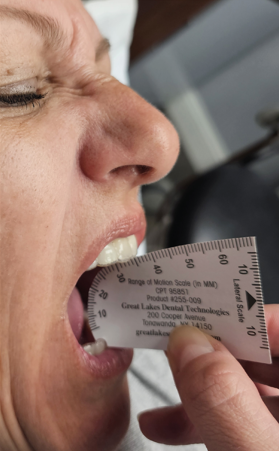
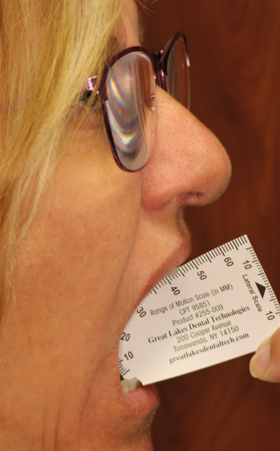
TMJ dysfunction can impact more than just your jaw, it can affect your comfort, mobility, and overall quality of life. Common symptoms include jaw pain, facial tension, headaches, trouble chewing, and difficulty opening your mouth. At our Plantation, FL dental office, we offer EMFACE® Functional TMJ, the first non-invasive therapy designed to address TMJ dysfunction both functionally and aesthetically.
Dr. Heidi will review your symptoms, examine your bite and jaw movement, and help determine what may be contributing to your discomfort.
What Can EMFACE Treatment Help With?
EMFACE TMJ treatment, offered in our Plantation Office, can help address symptoms connected to jaw tension, bite concerns, or joint discomfort.
Jaw pain or soreness
Facial tension
Headaches related to clenching or jaw strain
Clicking or popping in the jaw
Difficulty chewing comfortably
Teeth grinding or clenching concerns
Bite-related discomfort
Everyday jaw comfort
What Causes TMJ or Jaw Pain?
Jaw pain can have several possible causes, including clenching, grinding, stress, bite imbalance, muscle tension, or joint irritation. Because symptoms can vary, a careful evaluation is important before recommending treatment. Because many TMJ concerns are connected to jaw alignment, clenching, and bite-related stress, EMFACE can be an effective complement to traditional dental TMJ treatments such as night guards.
Dr. Heidi will help identify possible contributing factors and discuss options that may help reduce discomfort and protect your teeth and jaw over time.
Related Services
Periodontal Therapy
Pediatric Dentistry
Preventative Care
Tooth Removal
Root Canal Therapy
Business Hours
Monday to Wednesday
8AM to 5PM
Thursday
7AM to 2PM
Friday to Sunday
CLOSED
Common TMJ / Jaw Pain Treatment Questions
Everything you need to know about TMJ / Jaw Pain Treatment, from how it works to what you can expect.
What is TMJ?
TMJ refers to the temporomandibular joint, which connects your jaw to your skull. TMJ disorders can affect the joint, muscles, or bite and may cause pain, tension, or clicking.
What are common signs of TMJ problems?
Common signs include jaw pain, headaches, facial tension, clicking or popping, clenching, grinding, or discomfort when chewing.
Who should I consult about my TMJ pain?
A dentist can evaluate your bite, teeth, jaw movement, and signs of grinding or clenching to help determine what may be causing your symptoms.
What treatments are available for TMJ or jaw pain?
Treatment depends on the cause of your symptoms. Options may include custom oral appliances, bite evaluation, habit guidance, or other personalized recommendations.
What does an EMFACE treatment feel like?
EMFACE treatments are quick, comfortable, and convenient: 20-minute, non-invasive sessions that are performed as a series of four treatments, spaced one week apart. EMFACE does not use needles, anesthesia, and treatments require no personal downtime. During the session, most patients feel gentle muscle contractions combined with a mild warming sensation, often described as relaxing—similar to a facial massage.